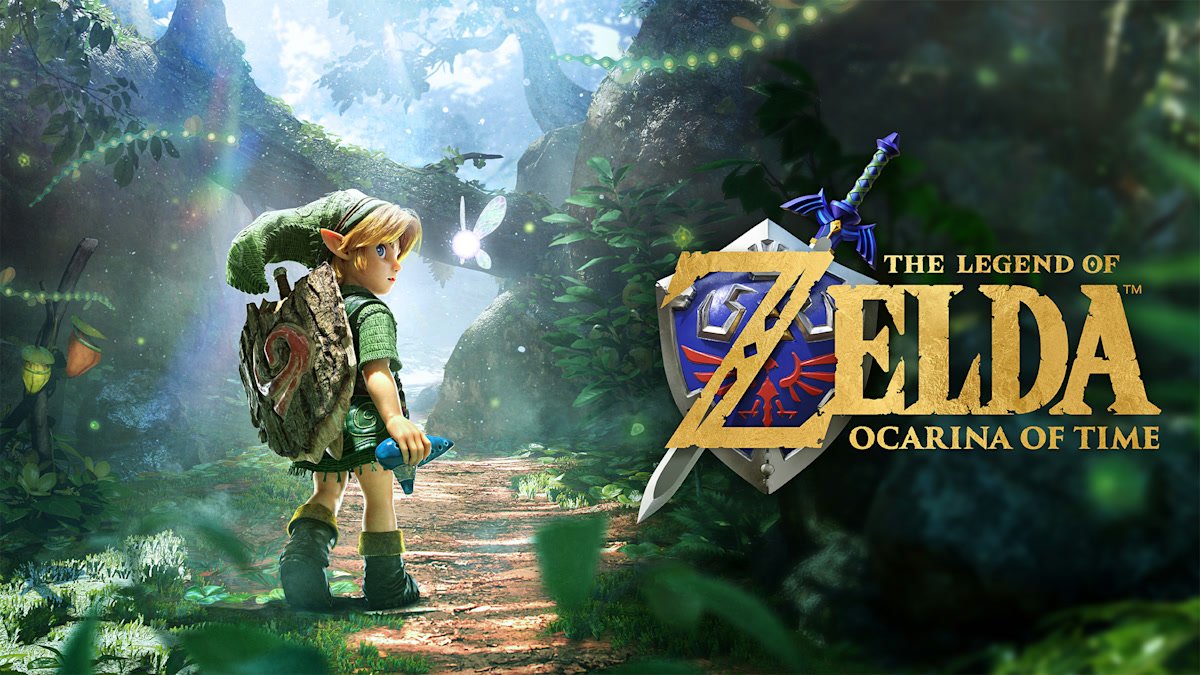
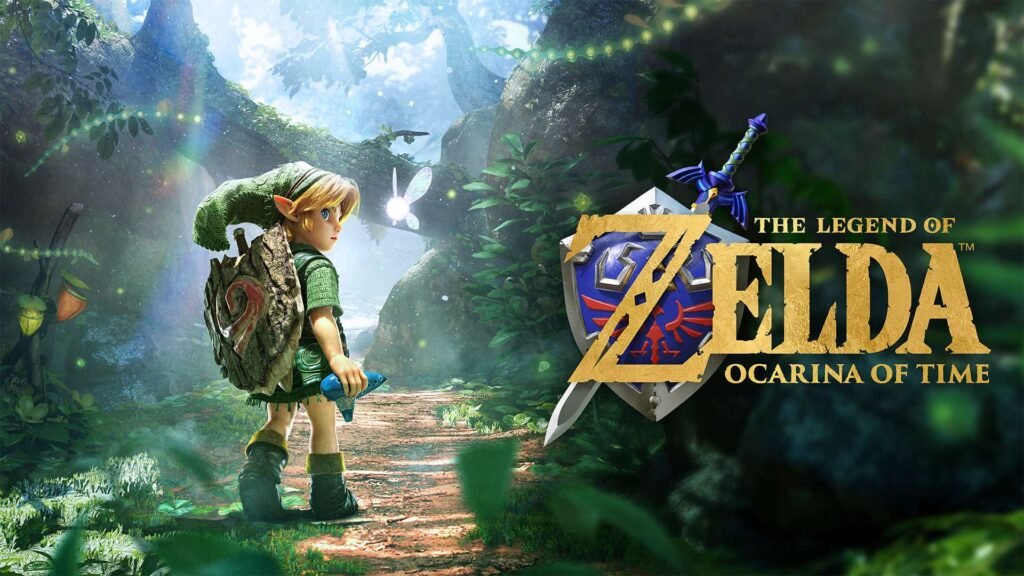
There is a point in every console generation when the new machine stops feeling like a shinier version of the last one. The Legend of Zelda: Ocarina of Time feels like that point for Nintendo Switch 2.
It is not simply that Link has more detail in his face, or that Kokiri Forest now looks like a place you could get lost in. The remake carries itself differently. The lighting, movement, camera work, voice acting, and rebuilt scenes all feel like they started with Switch 2 in mind. That makes it stand apart from much of the system’s early library, which has understandably been busy bringing Switch-era games along for the ride.
The Bridge-Game Problem
Cross-generation games are often great games. They are also compromises by design. They need to work around an older machine’s limits, whether that means smaller spaces, simpler crowds, slower streaming, or just a visual language designed to survive on two very different pieces of hardware.
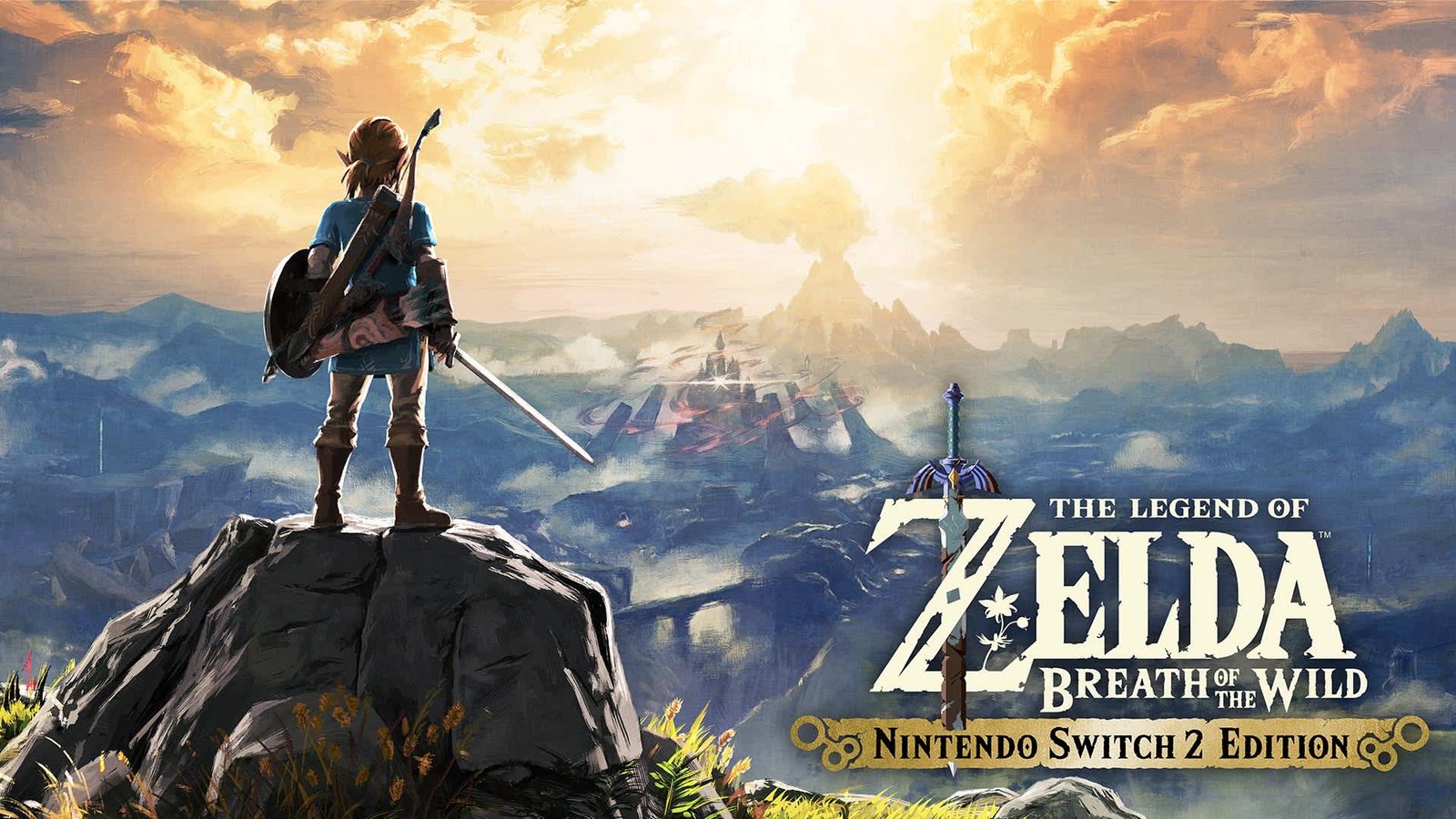
Nintendo has lived through this before. Twilight Princess began life for GameCube, then became a Wii launch title with motion controls attached. Breath of the Wild did something similar for Wii U and Switch. Both are landmark Zelda games, but both also belong to the in-between period: games made to close one chapter while helping open another.
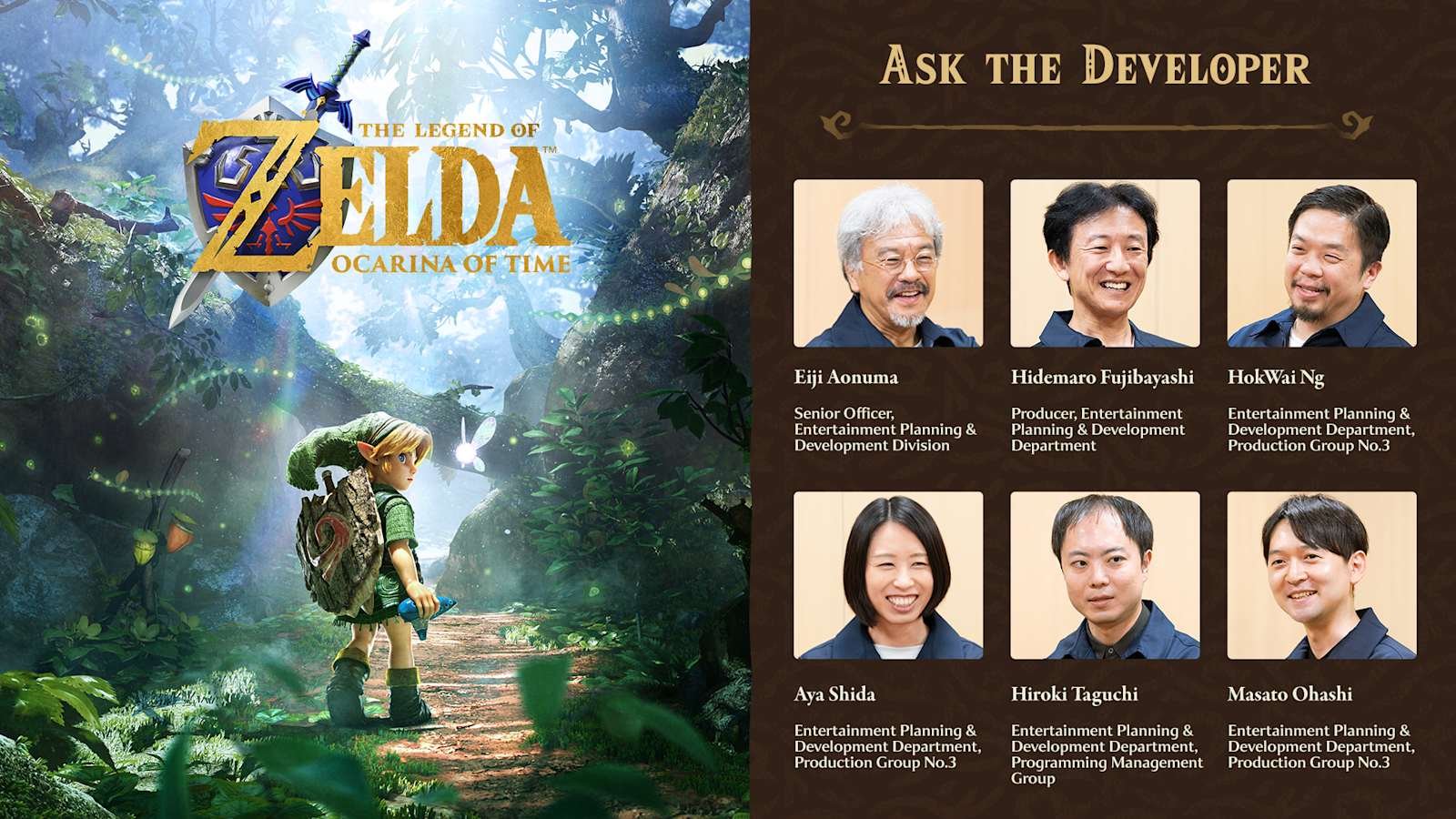
A good remake has to do more than add prettier leaves to the trees. It has to ask where the original can be made better without losing its soul. Nintendo’s team did exactly that with the Water Temple. As we covered when the developers explained their process, they kept tinkering with it until it was easier to navigate than the original—and treated that as a win. For anyone who remembers the old Water Temple as a blue-tunic endurance test, that is a wonderfully sensible bit of progress.
The smaller changes matter too. Jumping, sprinting, and the quest log may sound modest beside the visual overhaul, but they show a team willing to modernize how the adventure feels in your hands. Nintendo did not let the game’s enormous legacy turn it into a museum piece.
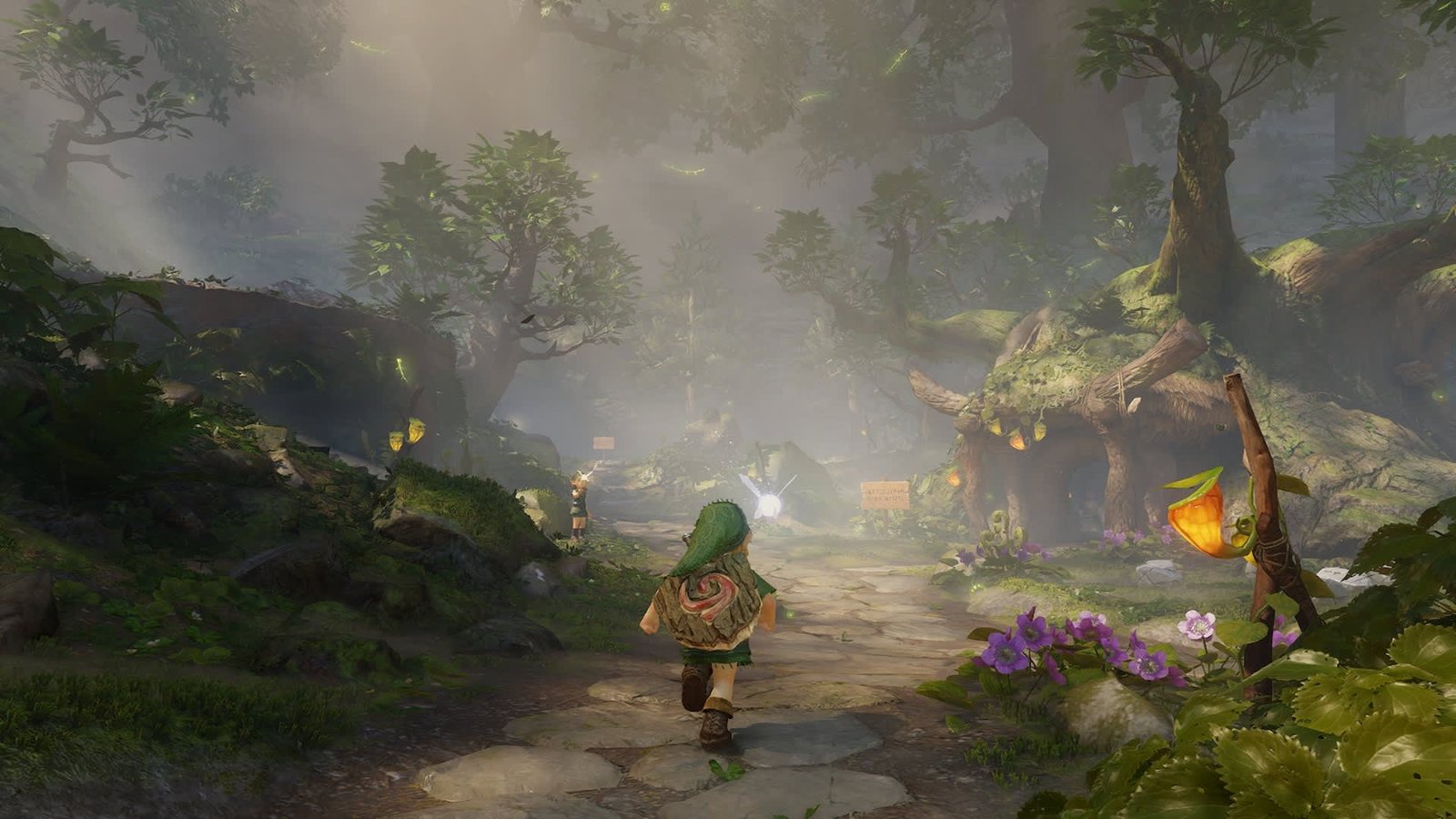
That is not what Ocarina of Time feels like. Nintendo describes this remake as built from the ground up for Switch 2, and the difference is plain. It has the confidence of a game that does not have to keep glancing over its shoulder at the previous console.
Every Generation Gets A Moment Like This
These moments are rarely about one graphical trick. They are about the first game that makes the old rules feel too small. Super Mario 64 did it for Nintendo 64 by showing how a character could move through a 3D world. Halo: Combat Evolved helped sell the original Xbox as more than another console with sharper textures. Gears of War made Xbox 360’s new visual muscle feel immediate and physical.
On Nintendo hardware, the shift can take longer because the company is so good at making the old machine work beyond its apparent limits. That is part of why the Switch had such an extraordinary run. But it also means the first proper leap lands harder. Suddenly the familiar characters have weight, spaces have atmosphere, and a camera can linger without the whole thing feeling like it is fighting to stay upright.
Ocarina of Time is especially well suited to that job. The original already marked a turning point, taking Zelda into 3D and giving it the targeting, camera language, and sense of place that later games built on. Seeing that same adventure remade for Switch 2 makes the timing feel almost too neat. Nintendo is using one of its great technical leaps to announce another.
A Remake Done Very Well
I have previously criticized the flood of recent remakes built to capitalize on millennial nostalgia in Eyes Off the Rearview, Gamer. The problem is not that old games deserve to stay old. It is that too many remakes arrive with little to say beyond, “Remember this?”
Ocarina of Time has something to say. It understands what people loved, then uses modern ideas to make that love easier to reach. That is the line between a remake that trades on memory and one that earns its place beside the original.
As someone who played both games around the time they first came out, I much prefer this approach to Final Fantasy VII Remake’s. Square Enix chose to throw out the shape of the original and build something else around its name: bigger, stranger, and effectively a fresh start. That ambition has its fans, but it is not what I want from a remake of a game with such a precise design.
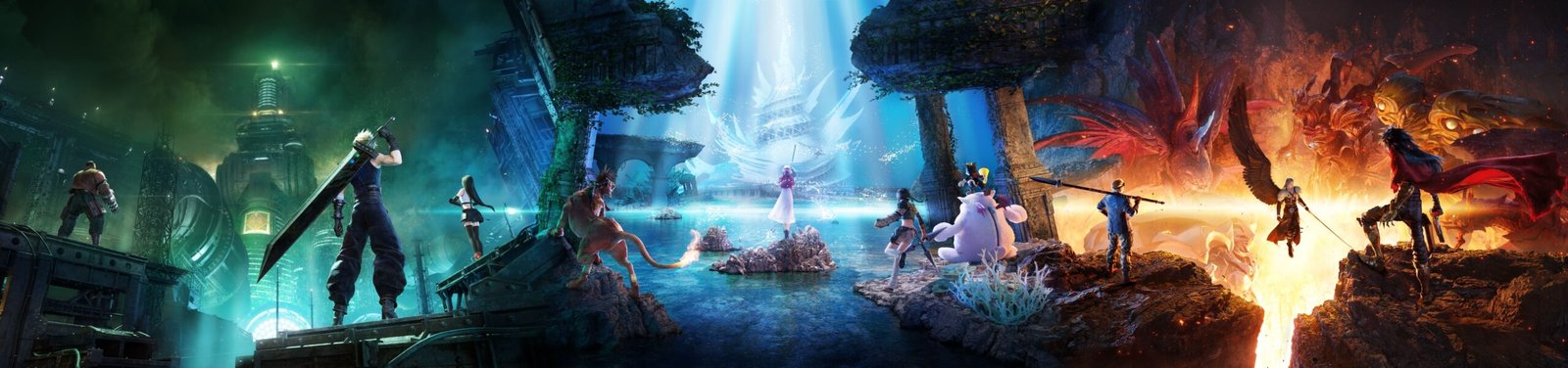
Ocarina of Time proves that fidelity does not have to mean timidity. It can preserve the route while making every step along it better.
I am a fan of the open-world direction Breath of the Wild and Tears of the Kingdom took. I was also unsure that Nintendo could bring Zelda back to its more structured roots without making the series feel as if it had taken a step backward. Ocarina of Time has changed my mind.
The foundations here are stronger than nostalgia. They are strong enough to support a full new mainline Zelda game: one with dungeons, deliberate progression, and a tighter story, but without giving up the responsiveness and confidence modern Zelda has earned. That is a much more exciting thought than another trip through the past.
That does not make every Switch 2 edition or upgraded Switch game less worthwhile. Those releases have helped make the new system feel full from the start. But Ocarina of Time has a different job. It makes the machine feel like it has its own identity.
For the first time, Switch 2 does not just feel like the Switch with more room to breathe. It feels like the new generation has actually begun.
Artwork: Nintendo, via the official The Legend of Zelda: Ocarina of Time page; Square Enix, via its official press kit.
ZELDA ON SWITCH 2
Zelda on Switch 2
The remake, its mysteries, and the larger question of where Zelda goes next.