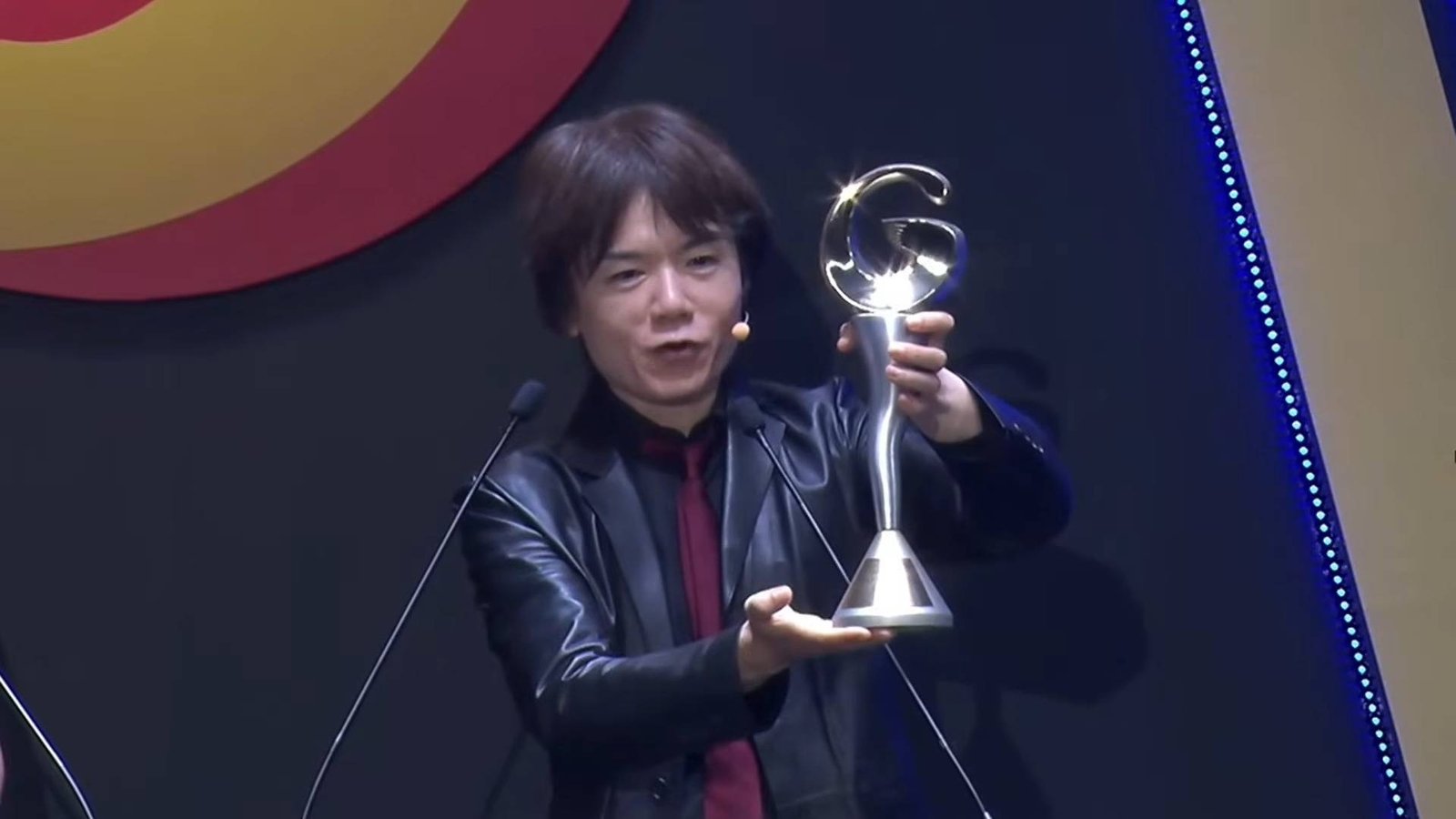
Earlier this month, Super Smash Bros. and Kirby creator Masahiro Sakurai announced that this year’s edition of the Game Designers Award would be its last. On stage at the Japan Game Awards, Sakurai described his years-long search for a successor. With his career winding down, the award needed an accomplished designer to replace him as its main juror, but after years of hunting, there was no one willing to take up the mantle. Speaking to a room of his peers, Sakurai gave a statement about the future of video games:
“If the industry loses creativity and innovation, I think the industry as a whole will slowly die. We always need new discoveries and innovations to keep the industry fresh and alive.”
Just days earlier, American developer Blizzard dominated headlines with a series of big announcements at BlizzCon. Gamers and analysts were abuzz—a new Starcraft, a new Diablo, and a new variant of World of Warcraft. Warcraft III: Reforged, the 2020 remaster of Blizzard’s iconic RTS, would also get a new expansion for free. All three of these properties were created in the 1990s.
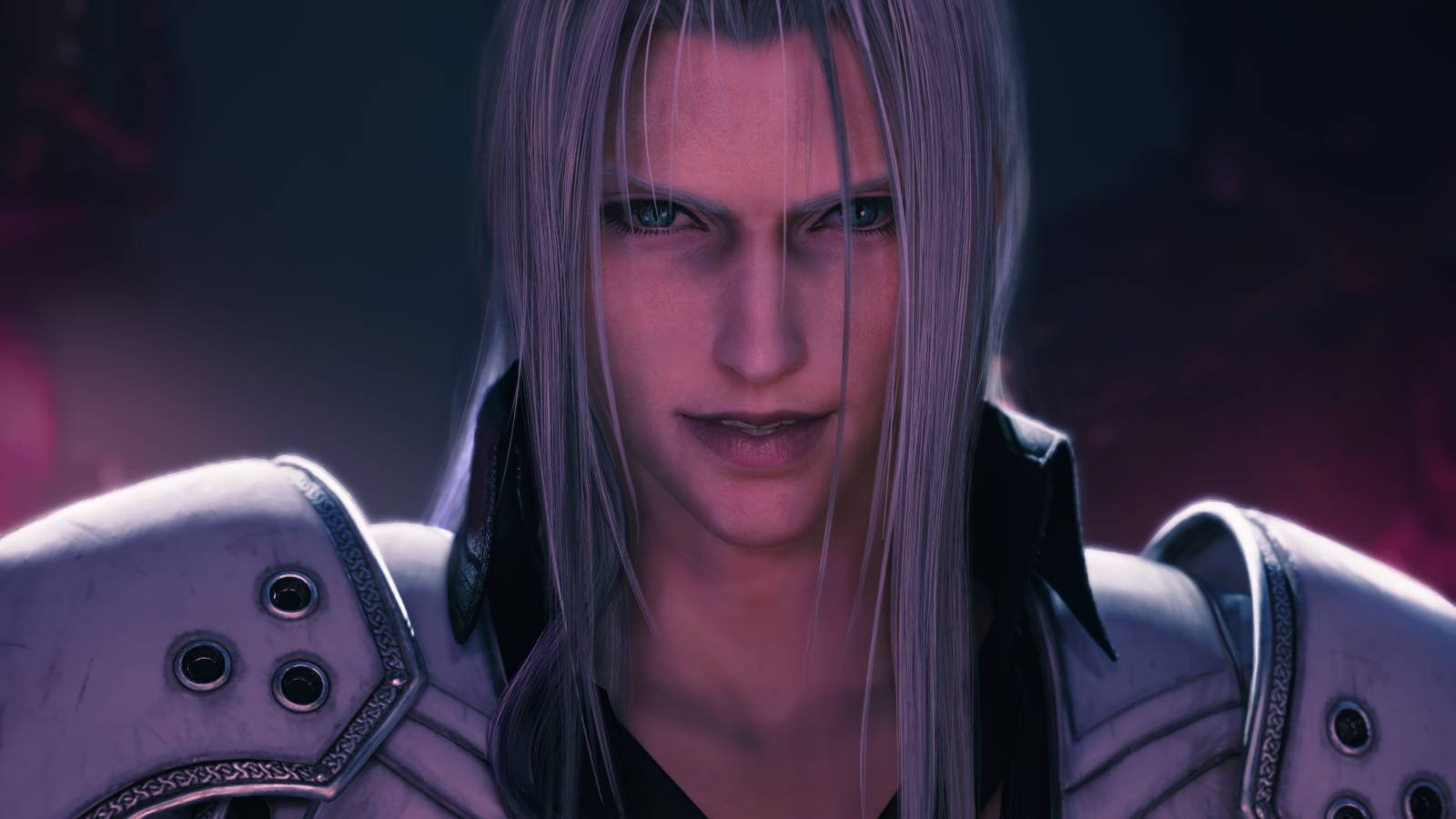
Three days prior, Nintendo’s September Direct showed off a host of games set to release on the Switch 2. The conversation afterwards, however, was primarily about two big titles: Final Fantasy 7 Revelation and The Legend of Zelda Ocarina of Time Remake—their originals released in 1997 and 1998, respectively.
Capcom is having one of its biggest year ever on the back of a string of successes, mostly from legacy franchises like Resident Evil (1996), Onimusha (2001), and Monster Hunter (2004). In a recent statement to stockholders, Capcom emphasized its commitment to reviving classic IPs it hasn’t touched in years. Next year, it will release another Mega Man (1987).
In the coming months, we’ll be getting remakes or remasters of the original Tomb Raider (1996), Persona 4 (2008), Fable (2004), Rayman Legends (2013), Tales of Eternia (2000), a Resident Evil: Code Veronica (2000), Max Payne 1 & 2 (2000), The Witcher (2007), and the original God of War trilogy (2005).
Why is it that the future of video games appears rooted in its past?
The Millennial Problem
It’s often said that millennials are the first generation to grow up with video games. The realer truth is that it’s the other way around: video games grew up with millennials.
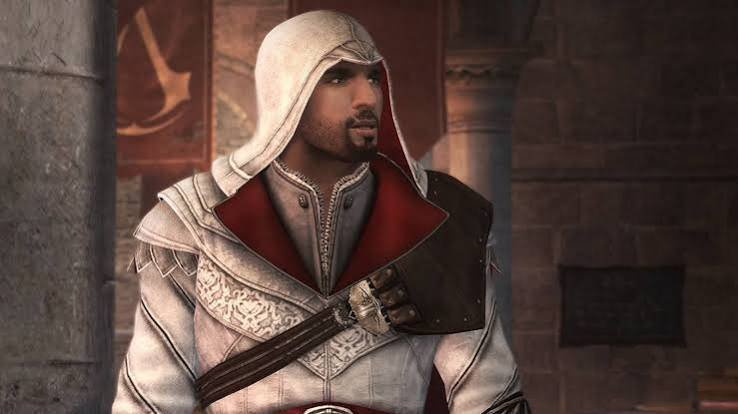
In the 80s and 90s, video games were positioned as ‘toys’ and marketed toward children. Young millennials were the target market, and video games evolved in-step with their tastes, going from Mario to Sonic, then Spyro and Solid Snake, to Kratos and CJ and Ezio Auditore to Nathan Drake. Throughout their adolescence and much of their teenage years, millennials dictated the forms and content of video games by influencing how their parents (Boomers) spent money.
Then as millennials grew up and entered the workforce, they did something unprecedented—they started spending large sums of their money on video games for themselves.
There are many reasons for this. A global recession around the time they entered the workforce, elevated student debt burdens, and rapidly rising housing costs led to millennials pushing back many traditional life milestones. Millennials delayed home ownership, owned fewer vehicles in their 20s, and got married later than Gen X and Boomers. With money to spend but no mortgage and fewer dependents to spend it on, they directed that money toward their hobbies.
Conservative figures show that a little more than 70% of millennials play video games. Gaming is the primary form of entertainment for more than half of all millennials—a larger share than TV, on-demand video streaming, or music.
Even when they spend money on games for their kids, it isn’t the typical parent-child dynamic we saw in previous generations. Millennials spend on co-op and family gaming or shared consoles and subscriptions. 82% of gamer parents play video games with their kids.

All of this brings us to where we are today. The average gamer in the United States is 37 years old; the average age of a millennial is 37.5 years old. What was once an industry of adults making ‘toy’ products for adolescents and teenagers is now developers making games for their peers. According to a survey by the International Game Developers Association, developers between the ages of 28 and 37 comprise the largest age block in the games industry, and they’re mostly making games for other millennials, who are the largest segment of adult gamers.
Rather than aging out of relevance, millennials tightened their grip on the zeitgeist. Through unprecedented personal spending on hobby media, they cemented themselves as the curators of modern gaming culture. So, it comes as little surprise that the current hypernostalgia is so specifically fixated on cultural products from the 1990s and 2000s.
Canceling the Future
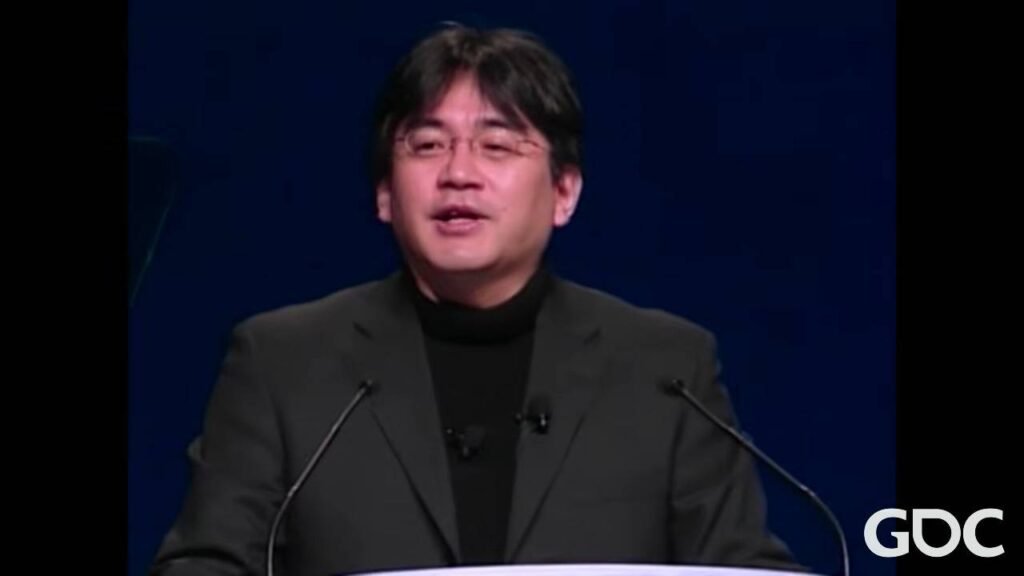
Sakurai’s words echo those of his mentor and former boss, the late Satoru Iwata. More than 20 years ago, Iwata presented his keynote address, “The Heart of a Gamer”, where he reminded the industry that games are about novelty, experimentation, and fun—not shinier graphics and bigger maps. Skyrocketing budgets and spectacle-chasing could only make studios afraid of innovation.
This wasn’t a particularly groundbreaking statement, even then. As the head of Nintendo, Iwata understood better than most the extreme risk-aversion inherent in the operating of large corporations (the statement was also at least partially self-serving, as Nintendo was months away from releasing the Wii). What he was warning against was the possibility that we may, one day, lose our belief in the capacity of video games to surprise us.
Cultural theorist Mark Fisher described this phenomenon as a ‘slow cancellation of the future’. Pulling from Frederic Jameson’s writings on postmodernism, Fisher explained that the race for profits inevitably leads to a hesitance toward the innovative. With enough time, we get a widespread sense that there is no more room for improvement or novelty—that we ‘figured’ it out long ago. Culture stops seeking the next movement to propel it forward and, instead, turns its viewfinders backwards on The Last Big Thing.
We’re seeing it now with the surge of remasters, remakes, and sequels. Look at the endless nostalgic waxing on social media and gamer forums, where new games are held up and judged against games from decades past, as if we ‘figured out’ video games in the late 1990s.
Forward lies the new and uncertain; profit lives in the past. Now the biggest, most powerful part of the video games industry isn’t just afraid to invent—it outright won’t allow it. In a recent interview with Edge Magazine, when asked about the state of the industry, game director Bruce Straley (The Last of Us) said:
“Across the board in triple-A, it feels like there’s no opportunity to inject fresh, innovative ideas.”
What Straley is talking about is what Iwata warned of and Sakurai laments. Hardwired with an indelible fear of the new and unprofitable, the industry has become obsessed with The Last Big Thing. It is jacked into our emotional nostalgia, absorbing our memories only to sell them back to us as reskinned replicas of the games from our past.