
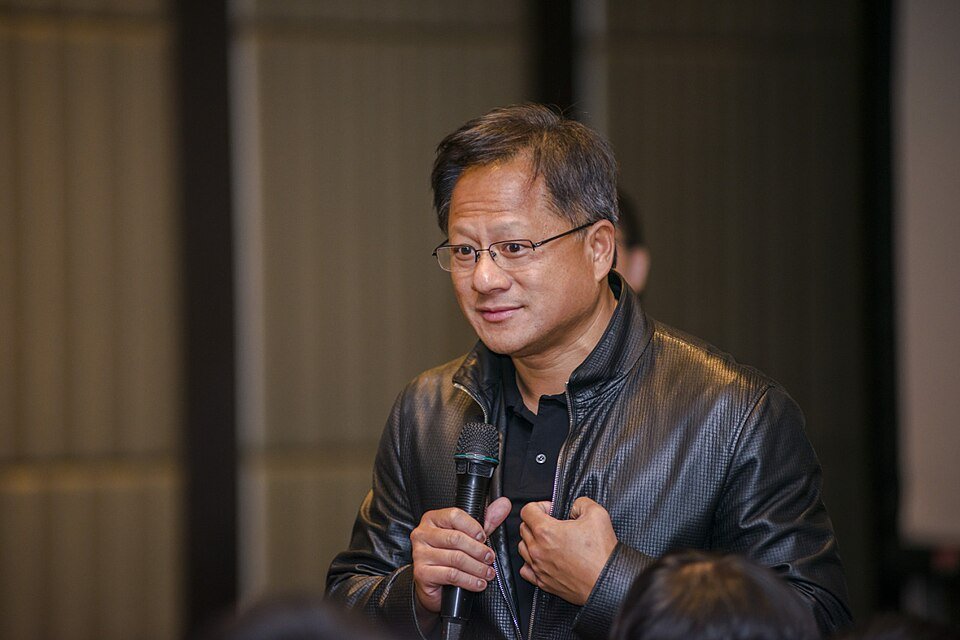
Nvidia CEO Jensen Huang has apologized to employees for having an affair, as the company’s board opens an independent investigation into reports that he was targeted by Chinese intelligence.
The two statements, published on November 8, bring weeks of reporting about Huang’s relationship with a Megaspeed executive into Nvidia’s own boardroom. Huang has pledged to cooperate with the review, and the board says it retains confidence in him and his leadership team.
In the company-wide message shared by The Kobeissi Letter and published on Nvidia’s newsroom, Huang apologized to his wife and children, then to colleagues, partners, and shareholders.
“I was unfaithful to my wife. My actions hurt her and our children. There is no excuse for what I did,” he wrote.
The investigation will be overseen by independent directors, assisted by outside counsel. Huang remains Nvidia’s CEO.
The Jensen Huang Scandal
As of November 10, 2026 · Allegations remain disputed; upcoming dates are labeled below.
-
May 13, 2026
Short-seller Culper Research published images of Huang and Alice Huang at two earlier social encounters while alleging a close relationship between them.
Source: Culper Research; firm disclosed a short position in Nvidia -
October 29, 2026
Huang defended Nvidia’s dealings with Megaspeed after reporting linked a former executive to an alleged Chinese intelligence operation.
Source: CNA -
November 5, 2026
Three House committee chairmen announced their request for a closed-door briefing on Huang’s interactions with Alice Huang and Nvidia’s security safeguards.
Source: House Foreign Affairs Committee -
November 8, 2026
Huang publicly apologized for being unfaithful to his wife and pledged to cooperate with the board’s review.
Source: Nvidia -
November 8, 2026
Nvidia’s board announced an independent investigation while retaining confidence in Huang and his leadership team.
Source: Nvidia board -
November 9, 2026
China’s Foreign Ministry again rejected the intelligence allegations, calling the Chinese-spy account unsubstantiated and a smear against the country.
Source: Associated Press -
November 9, 2026 — Earlier chip discrepancy revisited
Bloomberg revisits a reported 50,000-chip gap between Megaspeed imports and Nvidia’s checks. Megaspeed denies illegal chip transfers.
Source: Bloomberg -
November 11, 2026 — Response requested
Lawmakers asked Huang to accept their proposed briefing date or suggest an alternative by this deadline.
Source: Congressional request -
November 18, 2026 — Proposed briefing
Lawmakers requested a joint closed-door briefing on this date, subject to Huang’s response.
Source: Congressional request
Who Is Alice Huang?
The reporting centers on Alice Huang, also known as Huang Le, a former executive of Singapore-based Megaspeed, a buyer of Nvidia’s AI chips. She is not related to Jensen Huang. His published apology does not identify the person with whom he had the affair.
Why Megaspeed Is Central to the Story
Megaspeed was not just a company connected to Alice Huang. It was also a Singapore-based data-center business that could buy Nvidia hardware outside China’s direct export restrictions. Reporting based on the New York Times investigation says U.S. officials suspected Megaspeed was not operating the data center it advertised and might have been routing Nvidia chips onward to Chinese customers.
That is why the relationship has drawn national-security scrutiny. According to Chris O’Brien’s summary of the Times reporting, officials were monitoring Alice Huang and weighing whether she had targeted Jensen Huang for information. The available reporting does not establish that she obtained Nvidia secrets or that Huang knowingly shared them. Those are among the questions the board and Congress are now trying to answer.
Months before the late-October intelligence reporting, Culper Research posted three images and said Huang had partied with Alice Huang in June 2024, then dined with her in Taiwan in May 2025. Its May 13 short report used those encounters to argue that the pair had a close relationship. The photographs show that they met socially. Huang’s apology does not identify the person involved in his affair, and the images do not establish the intelligence allegations. Culper disclosed that it was short Nvidia, meaning it could profit if the stock declined.
According to Financial Times reporting summarized by Tom’s Hardware, a memo based on U.S. intelligence alleged that Alice Huang had a romantic relationship with Nvidia’s CEO and had been recruited by China’s Ministry of State Security. The espionage allegation remains disputed.
The first reports emerged in late October. Huang defended Nvidia’s dealings with Megaspeed, saying the company had checked its GPU deployments. China denied the spy allegations, with a foreign ministry spokesperson describing them as groundless speculation.
Singapore’s Ministry of Home Affairs also denied that it had investigated Alice Huang over the alleged intelligence links or her relationship with Jensen Huang. It said a separate investigation into Megaspeed remained ongoing.
The Reported 50,000-Chip Gap
Ryan Fedasiuk highlighted Bloomberg’s reporting that Nvidia’s figures supplied to U.S. authorities undercounted chips sold to Megaspeed through hardware partners by 50,000. Bloomberg’s November 9 account describes a gap between Megaspeed’s imports and the chips Nvidia located in its data centers. That is a reported accounting discrepancy; the destinations of those chips remain a question for investigators.
The discrepancy predates this week’s renewed attention. In a statement dated December 23, 2025, Megaspeed rejected Bloomberg’s allegations and said inspections by U.S. and Malaysian authorities and Nvidia had found no evidence of illegal chip transfers. That is the company’s account of the inspections.
Huang later said Nvidia had counted every GPU deployed by Megaspeed. However, Bloomberg reported on November 6 that Nvidia declined to say whether it had carried out the additional checks it promised in December 2025. The gap between those assurances and the reported trade records puts Nvidia’s customer checks at the center of the story.
What Nvidia Actually Said About China Revenue
Thomas Thornton has highlighted Nvidia’s past statements about excluding China sales from its forecasts, asking whether intelligence findings could contradict them. His post raises that possibility conditionally and supplies no intelligence findings establishing a contradiction.
One statement in his graphic is directly supported by Nvidia’s February 25, 2026 earnings-call transcript: its $78 billion forecast for the following quarter assumed no China data-center compute revenue. That describes what management included in a forecast. It says nothing by itself about where previously sold chips eventually ended up.
Nvidia’s fiscal 2026 annual report separately recorded $19.677 billion in revenue from customers headquartered in China, including Hong Kong, across its business. It also warns that a customer’s headquarters, shipping address and end customer can be in different places. Those distinctions matter to the Megaspeed allegations: tracing the chips requires evidence about specific buyers, shipments and end users. A forecast excluding one category of future sales cannot settle that investigation.
Why U.S. Lawmakers Want Answers
The potential exposure concerns a company whose technology has become strategically important to the United States. Advanced computing chips can help train AI models for military and intelligence uses, as the Bureau of Industry and Security explains in its export-control guidance. Access to those chips, and to information about the businesses supplying them, carries consequences far beyond Nvidia’s customers.
That is the concern behind the congressional scrutiny: whether a foreign intelligence operation gained access through the head of a major U.S. technology company, and whether Nvidia’s safeguards were adequate. The board says it has no reason to believe national security or company secrets were compromised, but its inquiry will examine all available information.
In a November 5 announcement, House committee chairmen Brian Mast, John Moolenaar, and Rick Crawford requested a closed-door briefing on Huang’s interactions with Alice Huang and Nvidia’s protections against espionage. They proposed November 18, asking him to accept that date or suggest another by November 11.
The board’s review now runs alongside the congressional request. Huang has addressed the affair; the open questions concern the relationship’s context, Nvidia’s safeguards, and whether any company information was exposed.
What Could This Mean for Gaming?
For PC gaming, Nvidia’s importance is familiar: it makes GeForce graphics cards and develops technologies such as DLSS, which studios integrate into their games. A leadership crisis at the company therefore matters to developers and hardware partners as well as shareholders.
The extent of any effect will depend on the investigation’s findings. Changes to leadership or commercial relationships could affect the company’s priorities, while any regulatory response would depend on the technology and transactions involved.
So far, Nvidia’s response keeps Huang and his leadership team in place. Its announcements contain no changes to GeForce products, drivers, or gaming partnerships. The board says it will provide further updates as appropriate.