Jeff Kaplan says Blizzard announced Overwatch 2 before the team had settled what the game was or how it would make money. The former game director recalls arguing against the BlizzCon 2019 reveal, describing a sequel announcement that came with unresolved questions about the game players would eventually receive.
In a Gaming World Interviews conversation, highlighted by Kotaku, Kaplan describes confronting executives over the announcement. “We don’t really know what this game is, we don’t know what the business model is,” he recalls telling them.
Kaplan also objected to revealing the sequel at the same event as Diablo IV. In his account, new executives wanted the announcements to demonstrate Blizzard’s strength, while he thought each game deserved its own moment. He describes the dispute as part of years of conflict over who controlled Overwatch’s direction.
The Sequel Was Taking Resources From the Game People Already Played
Kaplan says he and designer Geoff Goodman wanted to speed up hero development for the original Overwatch. Instead, he recalls a mandate stopping work on new heroes so the team could focus on Overwatch 2. He says decisions about development priorities that once belonged to him were being made above him.
For players of the original game, the immediate cost was a halt to new-hero development while the team shifted to the sequel. Kaplan says he wanted more frequent hero development, while the mandate pushed his team toward a game whose scope and business model he was still challenging.
Blizzard’s original 2019 presentation promised cooperative Story Missions and replayable Hero Missions with talents, alongside shared competitive play between owners of the original and the sequel. That was a substantial new proposition attached to an existing competitive game.
Players Waited for Features That Changed Along the Way
In 2023, director Aaron Keller said Blizzard was stopping development of Hero Missions, the replayable mode built around hero progression and talent trees. He described difficulty turning its systems into a cohesive experience and the cost of drawing resources away from the live game.
Kaplan had left Blizzard in 2021, before that cancellation. His account describes the earlier cost of pursuing the sequel: new hero work on the original game was halted to serve it. Players then waited for a replayable cooperative mode Blizzard eventually abandoned. That is a concrete example of a live-service game struggling to sustain the world people already wanted to return to.
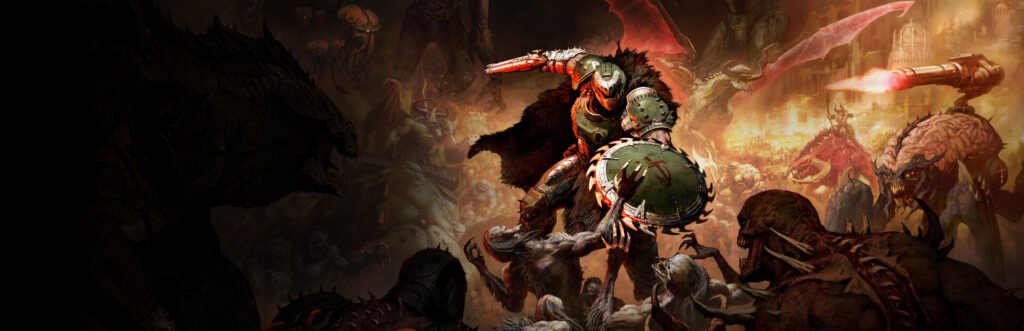
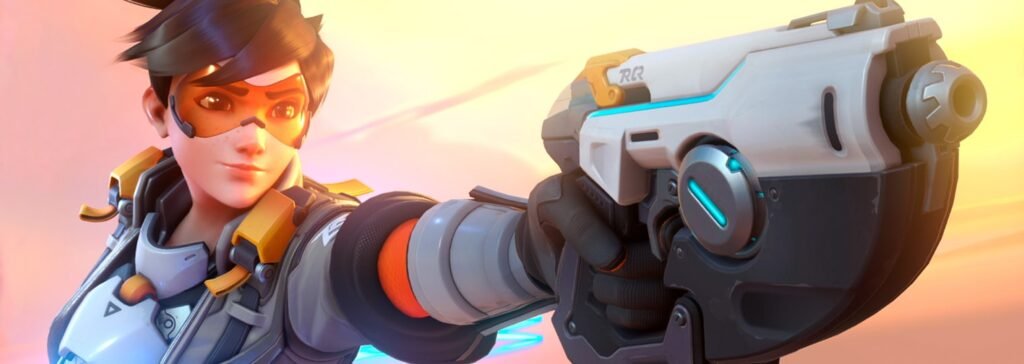
Original Overwatch 2 reveal artwork: Blizzard Entertainment.