A live-service game needs players to come back tomorrow, next month, and next year. Asian developers have spent years giving them a reason that goes beyond a fresh battle pass. Genshin Impact, Wuthering Waves, and Fate/Grand Order keep adding places to visit and people to care about. Their mechanics matter, of course, but their worlds give each update somewhere to land.
Give Players a World to Return To
Some of Asia’s most durable live-service games give players a reason to return beyond the daily reward: each update develops a world and a cast they already know. A new region or character chapter has a history behind it. Combat has to be good enough to bring players through that story, but it needn’t reinvent itself every season.
Take Genshin Impact and Wuthering Waves. To a casual observer, they may look like interchangeable anime-styled open-world action RPGs. In Genshin, the Traveler crosses Teyvat’s nations with companions whose relationships have grown over years; a recent story event brings familiar allies together against a new calamity. Wuthering Waves follows Rover through a world scarred by catastrophe, adding regions, factions, and Resonators; Kuro’s notes on Yangyang emphasize how that relationship will develop. Both games ask players to explore and build a roster, but each gives that routine different people and places to return to.
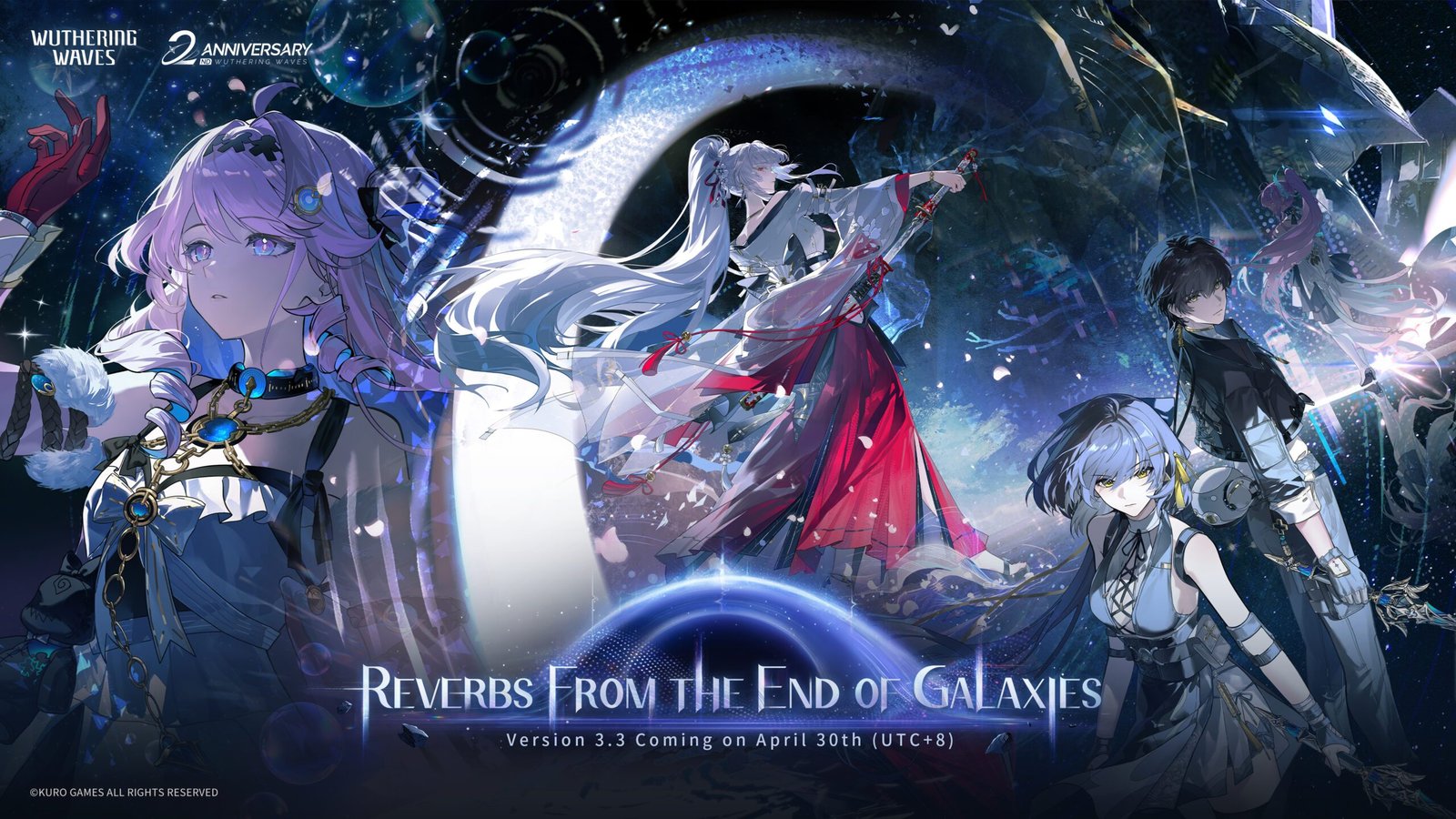
The principle reaches beyond open-world RPGs. Fate/Grand Order has sustained years of character-driven stories around its battle loop; Goddess of Victory: NIKKE used its fourth anniversary to revisit its cast and history. Their aggressive business models deserve scrutiny, and stories alone cannot rescue a poor game. Still, these updates offer something a rising progression number cannot: another chapter with people and places players recognize. Western publishers spend fortunes trying to secure the next login. They should ask what players will want to return to.
Sony Built a Portfolio Before Building a Following
Sony’s decade of live-service ambition makes a useful contrast. In 2016, it described Kill Strain as one of its “service-based games.” By 2022, it was planning 12 live-service franchises by fiscal 2025. Acquiring Bungie and Haven turned that ambition into a corporate strategy. A strategy can fund games, but it cannot make players care about them.
The investment has produced genuine winners. In its first-quarter 2025 briefing, Sony said Helldivers 2, MLB The Show, Gran Turismo 7, and Destiny 2 were generating stable sales and profits. The canceled games show the limits of planning a portfolio before players have formed a relationship with its worlds.
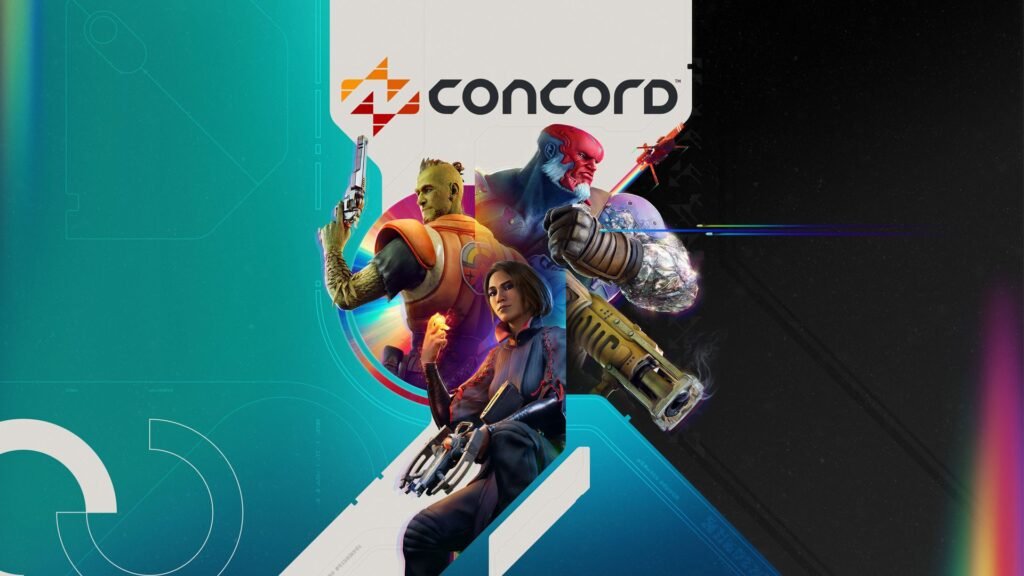
Concord lasted two weeks. Naughty Dog canceled The Last of Us Online before release. On November 10, Sony canceled Fairgame$, Haven’s competitive heist game. Bloomberg reported that an internal playtest with thousands of players fell short of Sony’s feedback and retention goals; a Sony spokesperson confirmed the cancellation. For a game about robbing the ultra-rich, its own publisher proved the hardest mark to convince.
The Last of Us Online exposed the cost of that ambition unusually clearly. Naughty Dog said maintaining it for years would have consumed resources needed for the single-player games that define the studio. Players never got to judge its multiplayer. The cancellation was a decision about what kind of studio Naughty Dog could remain.
Fairgame$ faced the tougher job of standing on its own. Haven pitched a world of competitive heists against the ultra-rich, with crews improvising their way through guarded locations. Its reveal had a premise, but players never saw enough of the game in public to build a relationship with its crew or test its promise. The reported playtest results suggest that the version Sony tested could not retain enough players to survive the publisher’s review.
Familiar Gameplay Can Carry Different Stories
Story, characters, and setting matter more to a live-service game’s survival than gameplay novelty. Combat must feel good, but a new way to shoot rarely pulls players from worlds and people they already care about. A compelling cast can make the next season feel like another chapter instead of another set of chores. Asian studios have demonstrated that this can work even when the underlying loop looks familiar.
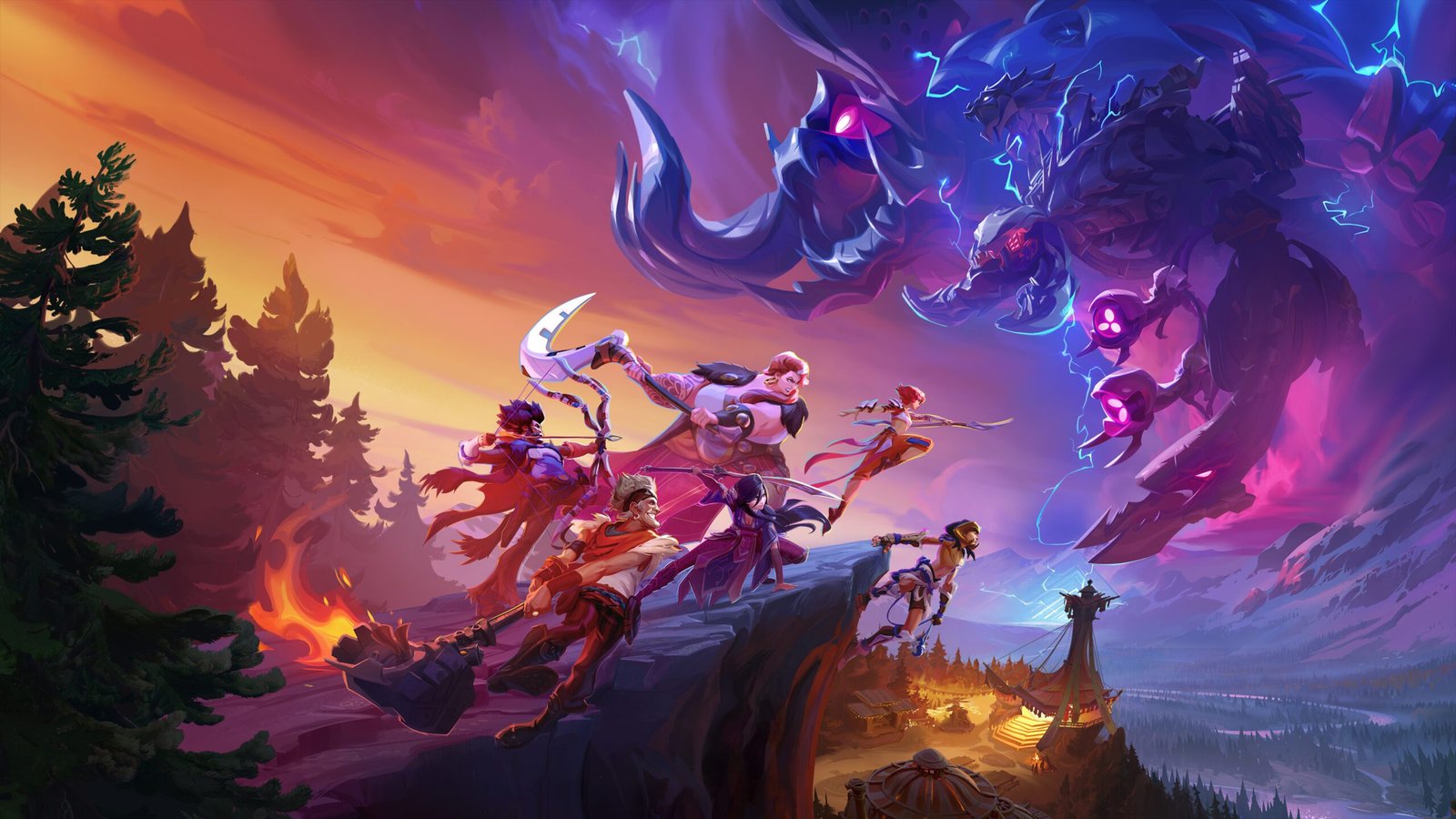
Western games offer their own proof. Team Fortress 2, Overwatch, and Marvel Rivals put colorful teams into familiar fights, and each has a distinct personality. Blizzard’s Talon story gives returning players a plot to follow. Deadlock’s occult city, strange heroes, and City Never Sleeps update offer the same promise: this place has more stories to tell.
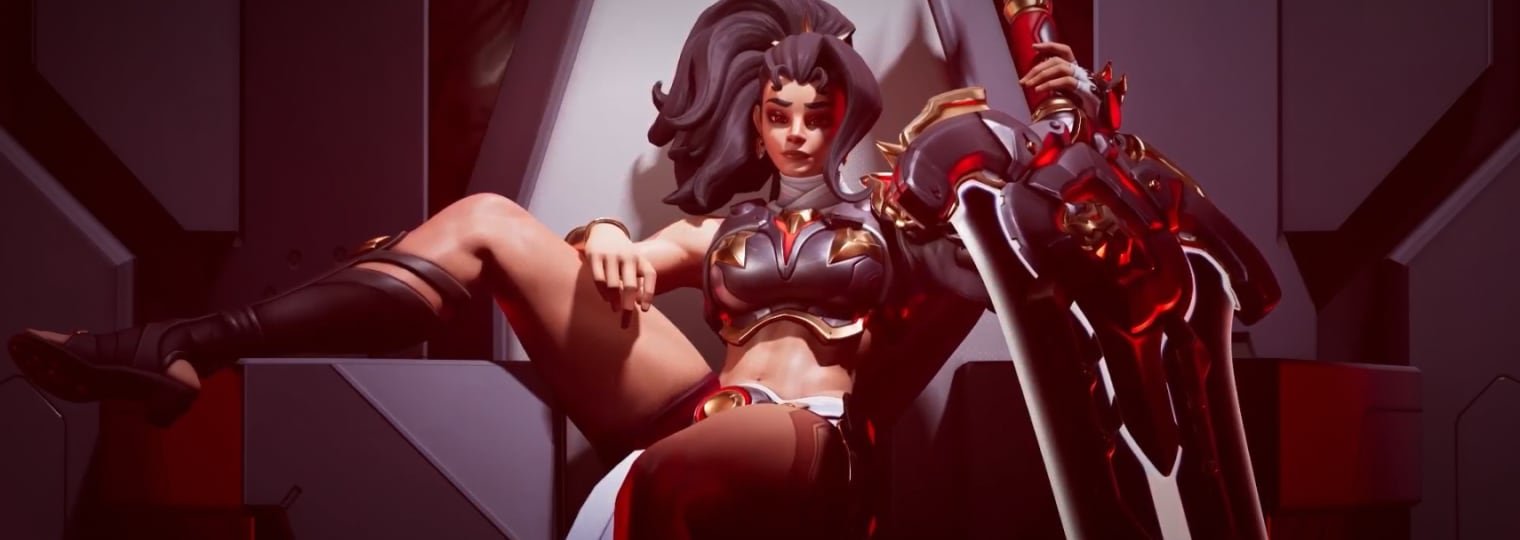
The claim that Concord failed because it was “woke” is a red herring. Overwatch celebrates its diverse heroes; Deadlock has a varied, unconventional cast too. One has endured for a decade, while the other draws large playtest crowds. Those games gave their heroes an identity beyond the charge of “wokeness.”
Concord’s problem, to my eye, was that its character designs were aggressively uninteresting. Few heroes made a memorable first impression, despite their costumes and backstories. Reviewers called the cast forgettable, a working artist redesigned it, and players picked the designs apart. The $40 price made the pitch harder; the cast gave people little reason to get attached to its world.
Ubisoft’s XDefiant had competent shooting but could not retain enough players. Anthem had a more recognizable world, yet BioWare abandoned its overhaul and EA closed its servers. A distinctive world gets a game noticed. The game and its updates still have to reward people for staying.
What Western Publishers Can Actually Learn
Sony already owns worlds with that kind of pull. Horizon Hunters Gathering, announced this year, is a cooperative spin-off set in a world people already recognize. Guerrilla says it has its own playable hunters, a narrative campaign, and a story that will continue after launch; it ran another closed playtest in May. The game is still in development. Its challenge is to make those new hunters and their shared adventures feel as compelling as the machines on the box.
There is a sensible place for games like that. An established universe can support a multiplayer companion that serves its fans. Such a satellite can deepen the world for existing fans without having to become the next universal pastime. The problem comes when a publisher treats every service project as a candidate for a recurring-revenue pillar. A Horizon spin-off ought to be judged by what it adds to Horizon; a new game built to anchor a live-service portfolio has to give players a reason to care before they have any attachment at all.
Helldivers 2 shows that Western developers can put the lesson to work. Its shared war gives routine missions a running context, while players turn battles such as Malevelon Creek into stories they tell each other. Its shooting did not need to be unprecedented for that to work. The game gave people a war worth returning to, and enough room to feel that their own squad had been part of it.