For most of the Switch era, the “console war” was treated like a two-team match: PlayStation on one side, Xbox on the other. Nintendo was somehow standing outside the ring, selling millions of hybrid handhelds while the argument carried on without it.
Former Nintendo of America president Doug Bowser says that used to get under his skin. At a GamesBeat Next panel, Bowser recalled reading stories about the console wars that mentioned Sony and Microsoft but skipped Nintendo. His response, he said, was simple: Switch had sold 150 million units. How was it not part of the conversation?
Then he caught himself. Nintendo had spent years avoiding the exact hardware arms race those stories described.
Playing In Its Own Ocean
Bowser said Nintendo had chosen to “play in its own ocean” rather than get dragged into the competition over raw power, premium hardware costs, and exclusives. That does not mean Nintendo was above being competitive. It means the Switch succeeded with a different question: what can players do with this machine that they cannot do with the others?
When the system launched, a lot of chatter was about technical specs. Bowser said he worried about how players would react to a device without the same kind of horsepower. In the end, he said, Nintendo learned that the experience on the screen mattered more than what was under the hood.
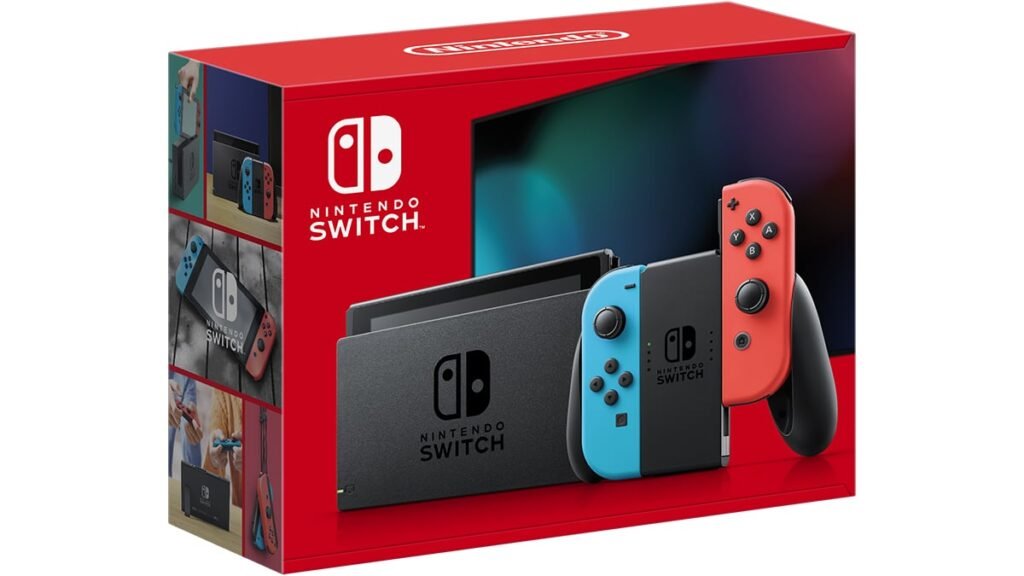
That rings true to the Switch story. It brought Nintendo’s handheld and home-console work into one system, then made the machine itself part of the pitch. Play on the TV. Pull it out of the dock. Hand a Joy-Con to someone nearby. It was less concerned with winning a checklist and more concerned with making the hardware easy to understand in a few seconds.
Why The Old Framing Feels Strange Now
The “Nintendo does its own thing” line can sound like corporate gloss, but Bowser’s point has more weight when you look at the business model behind it. He said Nintendo’s hardware and software teams worked closely enough to optimize games for the system and keep development costs lower than the biggest blockbuster projects elsewhere.
That approach is not a magic spell. Players still want strong games, fair prices, and reasons to buy new hardware. But it helps explain why Switch was never a clean match for PlayStation or Xbox, even when all three were competing for the same money and attention.
The irony is that Bowser was right to be annoyed. A 150-million-selling system obviously belonged in the console conversation. It just may never have belonged in the version of that conversation that only measured who had the bigger box.
Bowser made the remarks during a November 6 panel reported by GamesBeat. He spoke alongside former PlayStation leader Shawn Layden and former Xbox and Sega executive Peter Moore.