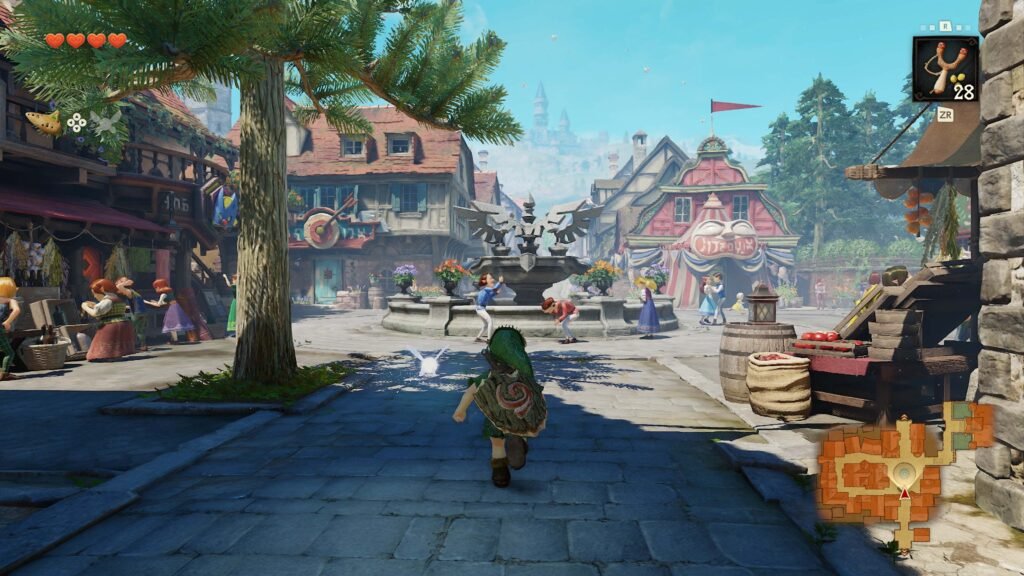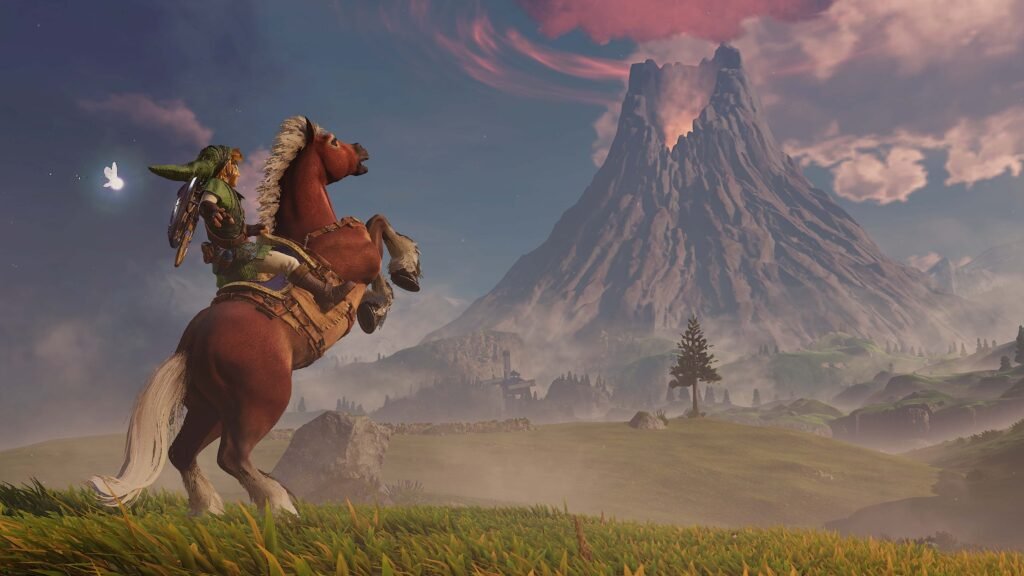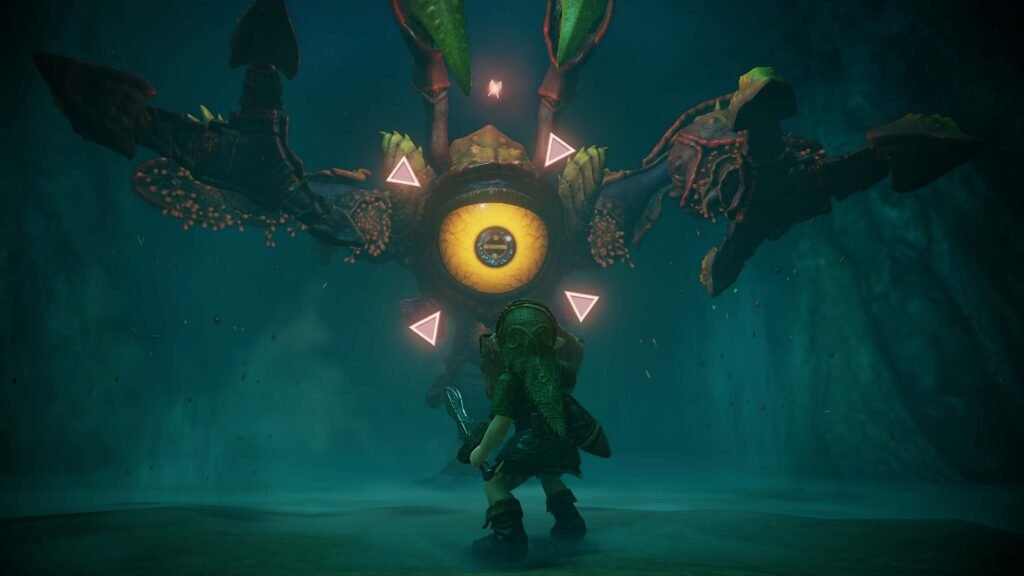
Most remakes arrive with the sense that someone, somewhere, is guarding the original with a red pen. Nintendo took a stranger approach with The Legend of Zelda: Ocarina of Time: it let a younger team decide for itself which parts of the classic were sacred.
In a new IGN Japan interview, series producer Eiji Aonuma said younger developers would sometimes identify details as deeply important even when the original team had attached no special intent to them. He did not correct their reading. He listened to where it led them and asked how the remake could support it.
“Because they had that reaction, because they had that feeling, that’s what was important,” Aonuma said.
The Veterans Stepped Back
Aonuma and producer Hidemaro Fujibayashi refused to hand the developers a fixed list of acceptable changes. The team reached its own conclusions about modern camera controls and a freer jumping system, while repeatedly discussing how much information the game should withhold so players could still solve problems for themselves.
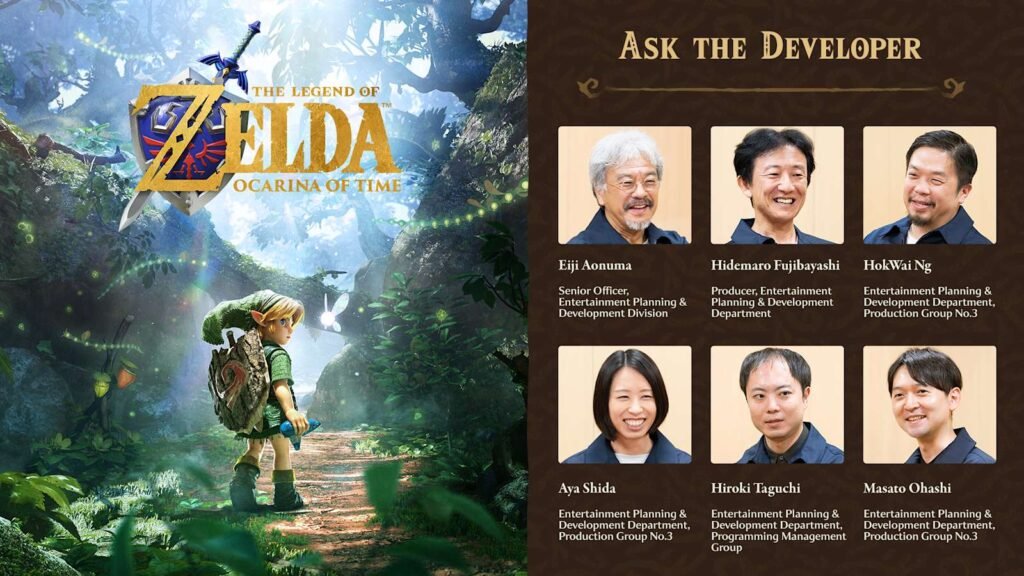
That freedom was deliberate. In Nintendo’s official Ask the Developer interview, Aonuma said he avoided declaring how the remake “should be” because the team would have felt obligated to obey. He wanted its developers to make Ocarina of Time their own.
The people making those calls did not all grow up with the Nintendo 64 original. Art director Aya Shida first played it after joining the project. Director HokWai Ng began working on the series with Tears of the Kingdom. Their distance from 1998 was part of the experiment.
A Remake Built for Future Zelda Games
Nintendo also treated the remake as training for whatever comes next. Aonuma said rebuilding the game could give younger staff new insights to carry into future Zelda development. The original’s carefully paced journey, dungeon structure, and controlled flow offer a very different education from the open-air design of Breath of the Wild and Tears of the Kingdom.
Even Aonuma’s own instincts were tested. He proposed adding warp points across Hyrule, then had them removed after realizing that fast travel erased the small discoveries players made while crossing the world. Elsewhere, the younger team successfully argued for changes that made movement feel more natural to players raised on modern Zelda.
That leaves the remake in an unusually interesting position. Its veterans supplied history, while its newer developers decided what that history meant after 28 years of player memories had gathered around it. For one of gaming’s most closely examined classics, Nintendo allowed the people inheriting it to help define what it had become.
RELATED COVERAGE
Zelda Coverage
More reporting, discoveries and analysis from across The Legend of Zelda.