Rockstar has already made one of the games that GTA 6 has to compete with. It has had years to accumulate things to do, reasons to spend money, and people who keep coming back. Selling those people a new Grand Theft Auto and persuading them to make it their regular destination are two different jobs.
Programmer and game developer Casey Muratori makes that distinction in an August 26 episode of The Pragmatic Engineer, which the podcast resurfaced on November 14. His argument is that Rockstar faces the commercial problem of succeeding its own enormously successful product. His commercial concern is that moving an audience to something new becomes less attractive if that audience ends up spending less once it gets there.
The old game’s success creates the audience for the sequel, then gives that audience a reason to stay where it is.
Selling the Sequel Is the First Job
GTA 6 hardly looks short of people willing to buy it. Take-Two described preorders as reaching unprecedented levels in its November 9 results. The same report lists the Grand Theft Auto series among the company’s largest contributors to bookings. A new launch is approaching while the existing business is still doing useful work.
The accompanying prepared remarks make the old business’s strength clearer: the GTA series recorded double-digit growth in both recurrent spending and average monthly GTA+ members. Take-Two also said Rockstar would continue supporting GTA Online with new content and events. The existing audience still has something being made for it.
A spectacular opening weekend can demonstrate demand for the sequel. Persuading those buyers to keep playing is a different design problem. A mission can be finished, a story can reach its ending, and someone can quite reasonably decide they have had their money’s worth. A continuing online business needs reasons for that person to return after the credits.
A Better Game Still Needs a Place in Your Week
For a player, returning to an established online game can mean returning to people as much as content. Imagine a group that already has a regular night together: the routines are understood, someone knows what activity to organize, and everyone can get on with playing. A new game has to give that group a reason to change its plans. Better graphics might sell the invitation; a group still needs something it wants to do together six months later.
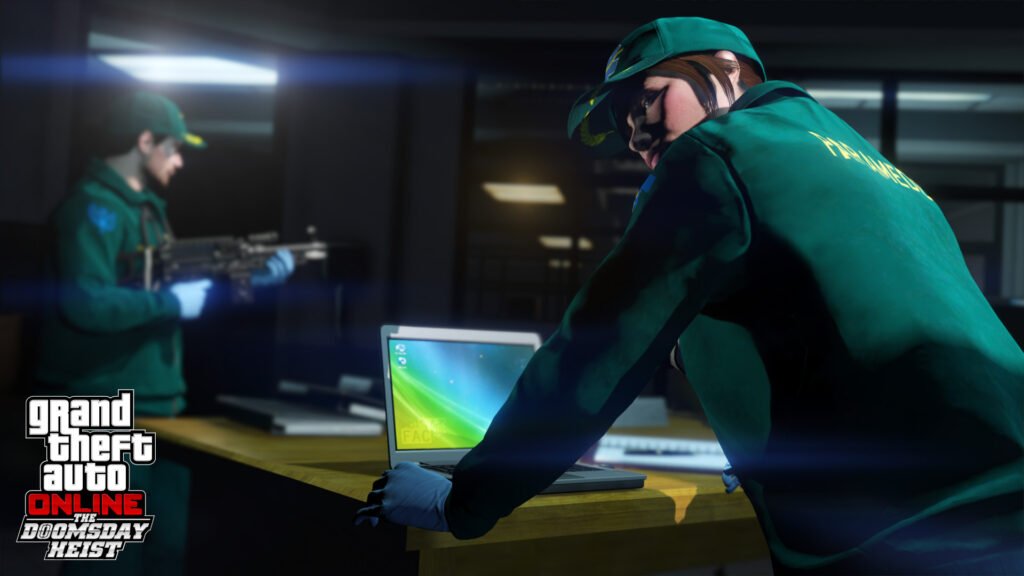
That is also the point of B5R’s argument about live-service worlds worth returning to. Characters, settings and shared attachments can make familiar mechanics worth revisiting. GTA Online gives Rockstar a particularly awkward version of that challenge: the familiar world belongs to Rockstar too.
Muratori’s argument makes the sequel interesting beyond its launch records. Rockstar can sell an enormous number of copies to people who remain attached to its older game. Earning a regular place alongside that older game would give the sequel a lasting success to build on after the launch rush.
Official artwork: Rockstar Games.