Nintendo has always been fiercely protective of its intellectual properties—sometimes to the point of open hostility toward its own users. Now, with the Game-key Card, Nintendo have reached a new low, creating a delivery format so inconvenient it feels deliberately designed to make players give up on physical media altogether.
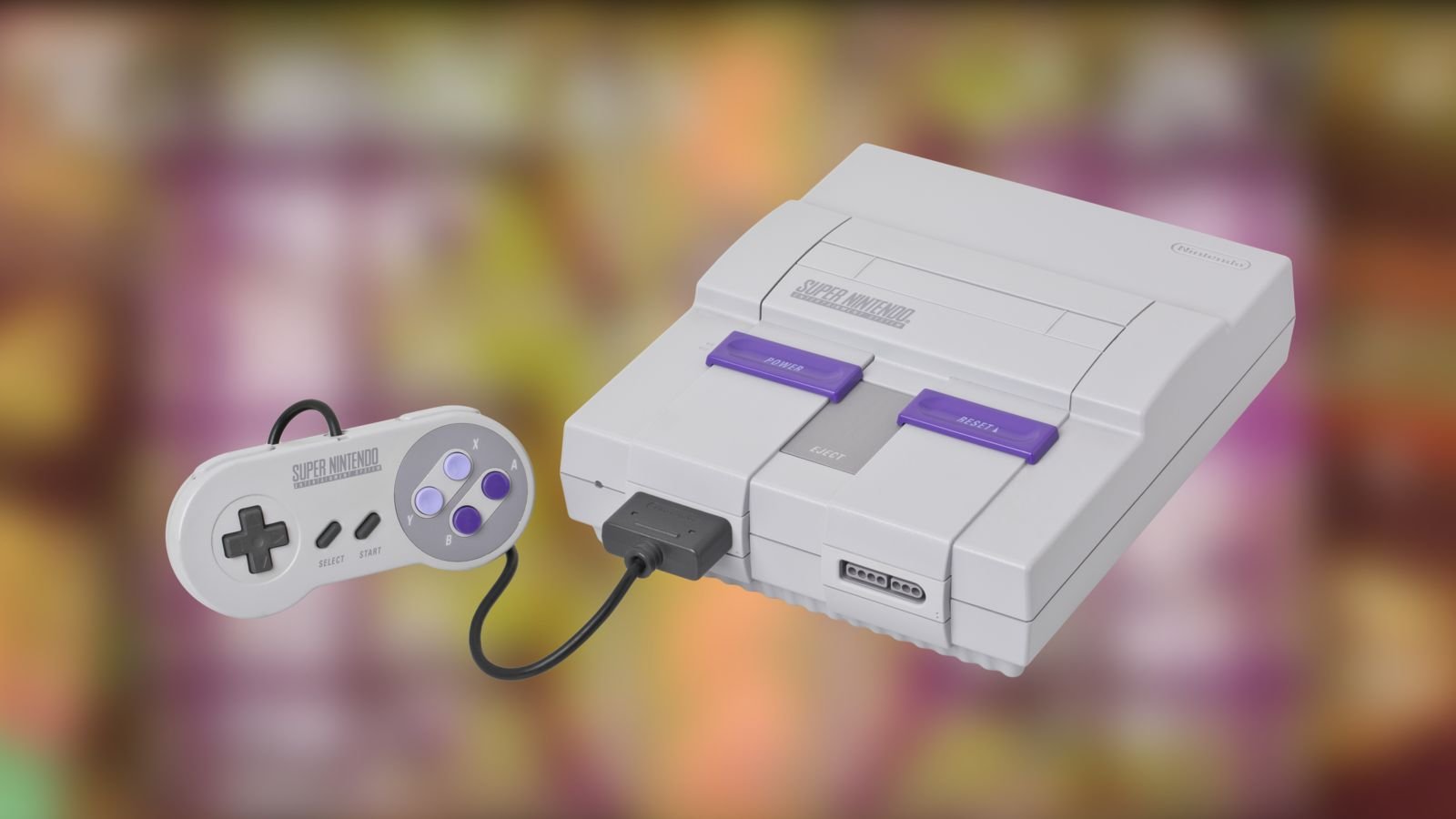
Even if you don’t own a Switch 2, you’ve probably heard of Game-key Cards—half of the discussion around the Switch 2 is about it. Game-key Cards look similar to your typical game cartridge, except they don’t contain any actual game content, just a license key and authentication data. When you insert a GKC into your Switch 2, the console checks that it’s a legal copy then makes you download the game to your device.
The idea isn’t entirely new. People have been buying empty boxes with digital download keys for at least two generations, and some games have to be copied to internal storage before you can play them. But Game-key Cards are worse than both of those things for two reasons:
First, since there’s no game data on the Game-key Card, you have to download it from Nintendo’s servers. If you’re thinking to yourself, “Isn’t that just a digital download with extra steps?”, you’re on the right track, though that alone isn’t problematic. Sure, you’ll run up against the Switch 2’s internal storage limits quicker, but many collectors have no issue with owning digital copies as long as they have a physical box for display purposes. And at least digital downloads spare you the hassle of swapping cartridges.
It’s the second thing about Game-key Cards that’s truly diabolical: you have to insert the Game-key Card into your Switch 2 every time you want to play that game. Essentially, Nintendo has devised a way to force cart swapping for your digital games, a combination of the worst parts from both physical and digital media—cart swapping and disk space drain.
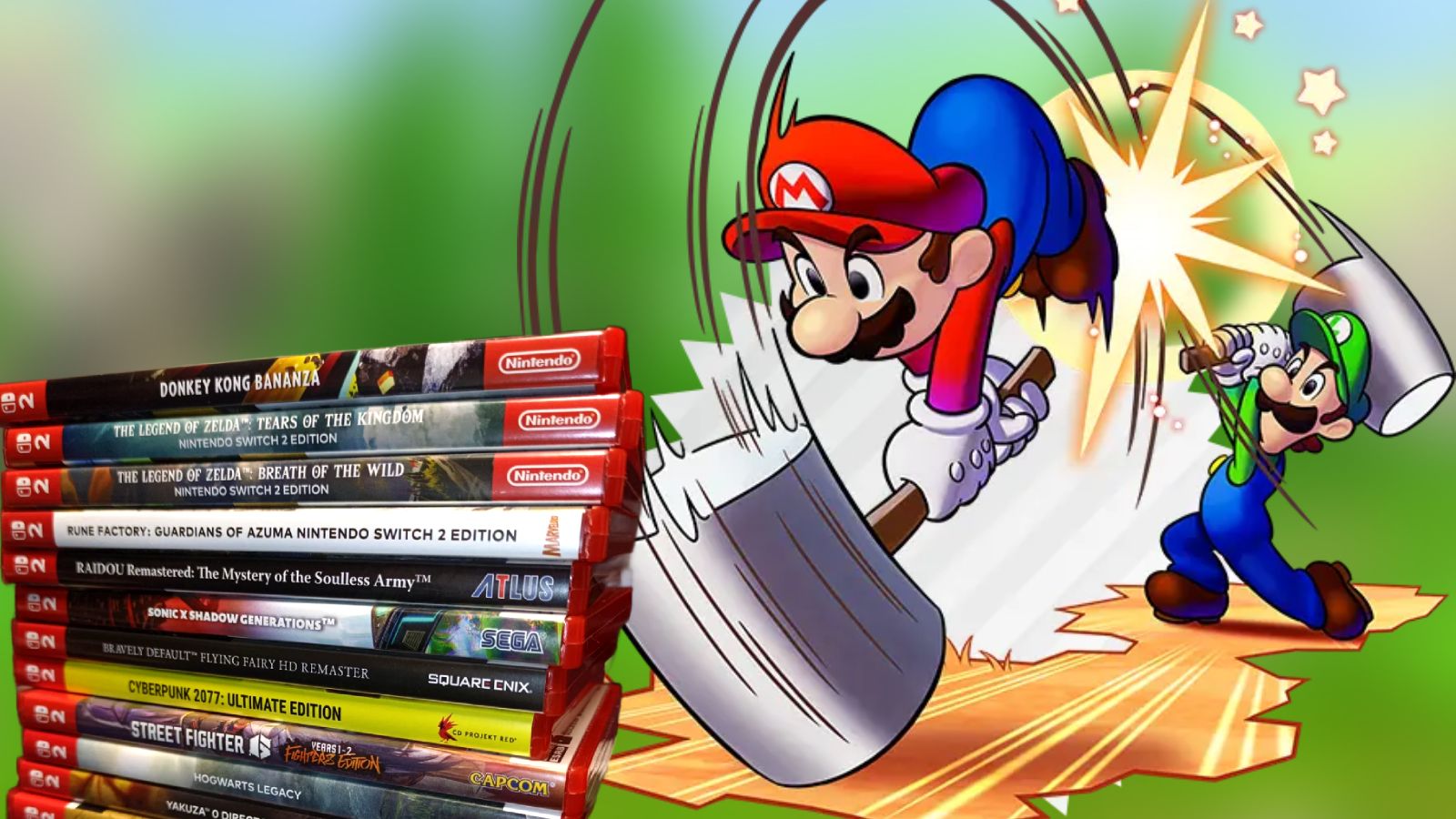
With how inconvenient they are, Game-key Cards were always going to be a hard sell. Sentiment has been largely negative and there has been strong resistance to the new format, with many have choosing to boycott GCK games completely. So, how do you justify Game-key Cards when there are titles still being released on regular cartridges? Nintendo’s solution was simple: make game cartridges the worst game delivery format on the device.
One of the biggest talking points in the GCK discourse has been the rumored high cost of game cartridges. Although unconfirmed, the number being tossed around online estimates that a single cartridge costs roughly $16 to produce. If that figure is accurate, then that’s a significant cut to a game’s potential revenue, especially for indie titles, which typically go for much cheaper than games from big publishers.
But according to Rob Bantin, veteran developer at Ubisoft, the problem with game cartridges isn’t the economics; it’s the hardware. In a reply to a BlueSky thread about Star Wars Outlaw’s Switch 2 port being only available as a GCK, Bantin explained that the console’s cartridge reader couldn’t stream data fast enough for the game’s engine.
This is supported by a report from BlueSky user Nintendo Patents Watch, who read the Switch 2’s patents and found that the console’s cartridge reader uses the eMMC communication standard. eMMC is rated for 400 MB/s (read speed)—roughly half as fast as the console’s microSD reader and less than 20% the speed of its UFS 3.1 internal storage. The Switch 2’s cartridge reader is simply the slowest storage interface on the device, and by quite the margin.
So, game cartridges are slow and possibly very expensive. They are the worst option if your game relies on fast data streaming (more and more AAA games do) and are rumored to be the least cost-effective delivery format, which is a big deal if you want to make money. It’s little wonder, then, that so many third-party games on the Switch 2 are Game-key Card exclusives.
This strategic devaluing of the Switch 2’s game cartridges will almost certainly have a knock-on effect on the resale market of the console’s physical media simply because fewer games will be available on cartridges. Meanwhile, the games that are will have to be built with an outdated communication standard (eMMC) in mind.
While it’s uncertain that hurting second-hand sales was an intended consequence of the Game-key Card format, we do know that Nintendo has historically been uncomfortable with resales. On the Wii and Wii U, digital games were tied to hardware, not accounts, so selling your console meant losing whatever games were on the machine. Further, Nintendo consoles up until the Wii U implemented region locking, which made games only playable on machines sold in certain regions, limiting the resale pool to regional markets only.This June, Nintendo banned a Switch 2 user when they attempted to play Switch 1 games they had purchased off Facebook Marketplace. The company also made a recent change to its online user agreement granting itself the right to make its services “permanently unusable” if it determines you’re in violation.